
Micro Interactions for Better UX
Micro interactions web design is the silent force behind a smooth and enjoyable user experience. At Ideal Design, we know that small, seemingly insignificant movements or moments of feedback make the difference between a visitor who stays and one who leaves. In this article, we dive deep into how micro-interactions transform your website or webshop, and why they are essential for SMEs looking to strengthen their online presence.

What Are Micro Interactions In Web Design
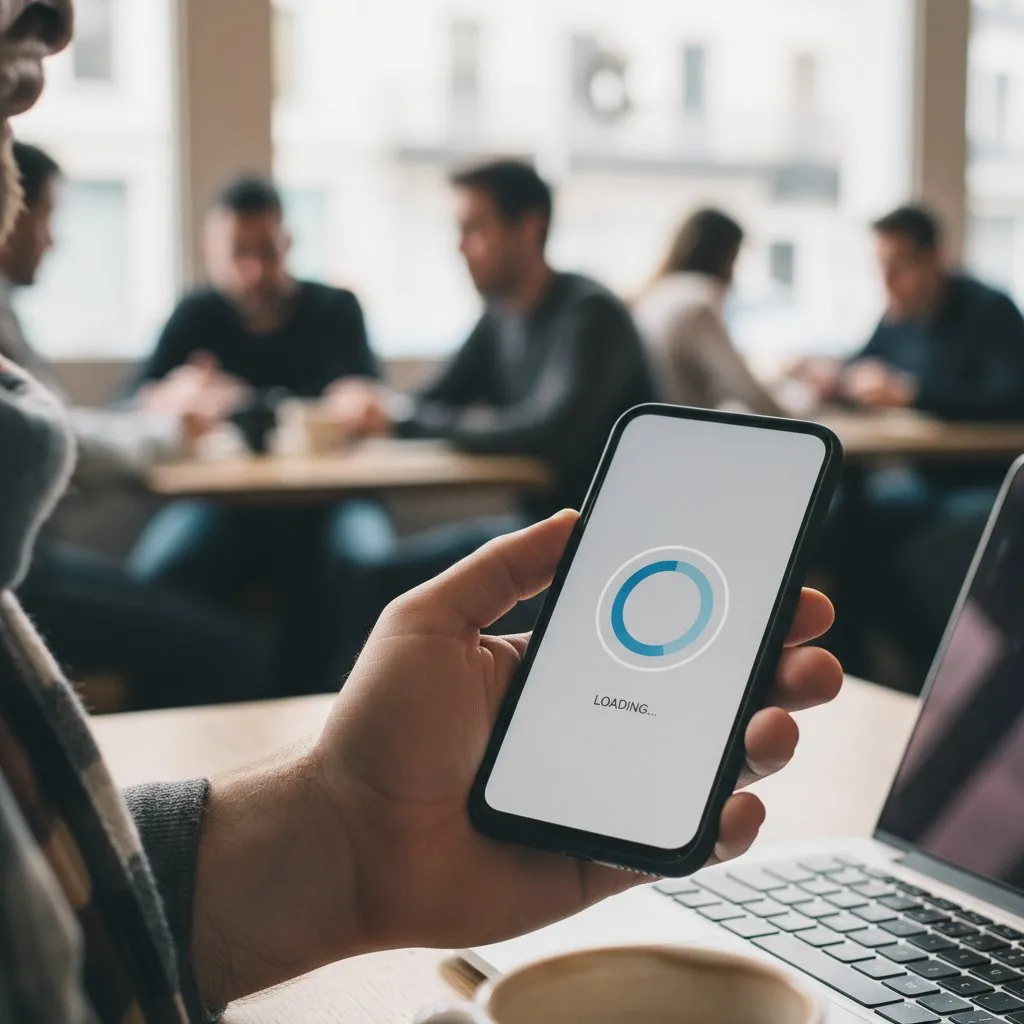
Micro-interactions are moments of feedback that a user experiences during a specific action. Think of a button that changes color when you click on it, a loading spinner that turns while content is loading, or a notification that appears after submitting a form, which is crucial in micro interactions web design. These small details seem unimportant, but they guide the behavior and emotion of the visitor.
In the context of web design for SMEs, micro-interactions are indispensable. They provide direction, confirm actions, and reduce uncertainty, especially when it comes to micro interactions web design. A well-designed micro-interaction can increase conversion by tens of percent – not because it is grand, but because it offers precisely the right moment of confirmation.
- Visual feedback: a button that depresses or a heart that fills for favorites.
- Functional feedback: a scrollbar that moves along or a loading bar.
- Behavioral guidance: a vibration or sound signal for an incorrectly filled field.
- Emotional connection: a friendly animation upon a successful action.
At Ideal Design, we believe that every micro-interaction is an opportunity to strengthen trust and ease of use. It is no longer a luxury, but a basic requirement for a professional website.
Why Micro Interactions Transform The User Experience
Users are impatient and critical. Studies show that a one-second delay in response can lead to 7% fewer conversions. Micro-interactions compensate for that delay by providing visual or auditory cues, thereby improving the perception of speed, especially when it comes to micro interactions web design. It's not just about speed, but about the feeling of control.
Imagine: a visitor fills in a contact form on your SME website. Without a micro-interaction, the screen remains dead, and the user doubts whether it was sent. With a simple animation – a checkmark or a short green bar – the visitor knows the action was successful, certainly in the world of micro interactions web design. That single moment of confirmation can make the difference between a lead and a lost opportunity.
Additionally, micro-interactions provide recognition and consistency. If a user experiences the same vibration or color change on every platform, a mental shortcut is created. This lowers the cognitive load and increases satisfaction, certainly in the world of micro interactions web design. For entrepreneurs, this means their website is not only beautiful but also functional and intuitive.
At Ideal Design, we analyze every step in the customer journey. We look at where micro-interactions are missing and where they can actually surprise. This results in a user experience that visitors won't soon forget.
Examples Of Effective Micro Interactions For SMEs
Not every micro-interaction is equally suitable. For small businesses, it is important that the interactions align with the target audience and the brand. Below, we highlight some practical examples that we often apply.
- Add-to-cart animation: In a webshop, we let a product thumbnail fly to the shopping cart. This provides immediate visual evidence that the product has been added. It increases purchase intent and reduces doubt.
- Navigation hints: If a visitor hovers over a menu item for a long time, we show a subtle tooltip or submenu expansion. This prevents confusion and speeds up navigation.
- Form validation: As soon as a user enters an incorrect email address, a red border and a friendly error message appear in real-time. This saves frustration and increases the chance of a correct submission.
- Scroll-linked feedback: A loading bar or progress indicator on long pages shows how far the user has scrolled. This motivates them to continue reading and reduces the bounce rate.
However, every micro-interaction must remain subtle. Excess harms – too much movement or sound is distracting. That is why at Ideal Design we test every interaction with real users before implementing it, which is crucial in micro interactions web design. This way we know that every micro-interaction contributes to a better user experience.
How We Integrate Micro Interactions Into Our Web Design
At Ideal Design, the process begins with a thorough analysis of your business and target audience. We co-create the customer journey with you and identify the critical moments where a micro-interaction has the most impact. Then we use modern tools such as CSS animations, JavaScript libraries, and framework libraries to create seamless transitions.
Our approach is data-driven. We measure the effectiveness of each interaction through A/B testing and heatmaps. This way we discover whether a particular animation increases the click-through rate or is actually distracting. Only then do we roll out the interaction across the entire website. This ensures that micro interactions web design not only looks good but also delivers measurable results for your business.
Furthermore, we combine micro interactions web design with psychologically sound principles. For example, we use color psychology to evoke the right emotion, and timing to shorten the perception of wait time. An example: when loading a heavy image, we show a stylized spinner that reflects the brand. Instead of waiting frustratedly, the visitor enjoys a brand experience.
We believe that micro-interactions form the bridge between functionality and experience. That is why we integrate them as standard in all our web design packages. Whether you need a simple brochure website or a complex webshop, we ensure that every click, every scroll, and every tap sends a positive signal.
Frequently Asked Questions About Micro Interactions
What Is The Importance Of Micro Interactions Web Design For My SME?
Micro-interactions increase usability and conversions. They help visitors navigate faster, confirm actions, and prevent errors. For SMEs, this means fewer lost leads, higher customer satisfaction, and a stronger brand experience. Moreover, websites with thoughtful micro-interactions are rated better by visitors, which indirectly also benefits your SEO.
How Many Micro Interactions Are Optimal On One Page?
There is no fixed number. The key is relevance and subtlety. Too many micro-interactions can overstimulate the user and distract from the core message. We advise using no more than three to five clear interactions per page, and always testing them. Focus on moments where uncertainty or delay occurs, such as with forms, loading moments, and navigation.
Do Micro Interactions Cost Extra Development Time?
Yes, but the investment pays off. Basic interactions like button hover effects are simple to implement. More complex interactions – such as personalized animations or real-time feedback – require more expertise. At Ideal Design, we use fixed prices for our packages, with micro-interactions included. Ultimately, a better user experience often yields a higher ROI than the extra development costs.
Can I Add Micro Interactions To My Existing Website Later?
Certainly. Micro-interactions can be easily added to existing websites, provided the platform supports it. We first conduct an audit to determine which interactions have the most impact. Then we implement them step by step, without disrupting the current functionality. Many existing SME websites thus get a second life and a higher conversion rate.
Psychological Impact Of Micro Interactions Web Design
Every micro-interaction unconsciously steers an emotion. A smooth transition provides calm, a playful animation sparks curiosity. By applying this psychology, you strengthen the bond with the user. Research shows that users who experience positive micro-interactions are up to 30% more likely to make a purchase or get in touch. Although we cannot give exact figures, the principle is universal: small rewards increase motivation and satisfaction.
In micro interactions web design, we play with expectations. A button that depresses slightly before opening a new screen gives the user a feeling of control. A vibration upon an error message feels natural. These principles are based on Fitts's law, Hick's law, and other cognitive models. At Ideal Design, we use this knowledge to substantiate choices such as color, timing, and animation style.
We believe that a micro-interaction should never be a gimmick, but must always serve a functional purpose. That is why we combine our psychological insights with data to prove that every interaction works. That is the core of our service.
"Micro-interactions are the silent helpers of the user. They prevent errors, provide direction, and turn a functional website into an unforgettable experience." – Team Ideal Design
We invite you to experience for yourself how micro-interactions can strengthen your website. Contact us for a no-obligation scan of your current user experience. Together we will discover which small adjustments make a big difference. Ready to take your online presence to the next level? Schedule a conversation via our contact form or call us directly. We are ready to help your SME grow.
At Ideal Design, we specialize in micro interactions web design, data-driven UX, and psychologically substantiated web design for SMEs. Whether you want to have a new website built or optimize your existing site, we ensure that every interaction counts. Start today with a better user experience.